

All services
Everything in Emergency & Maintenance
-
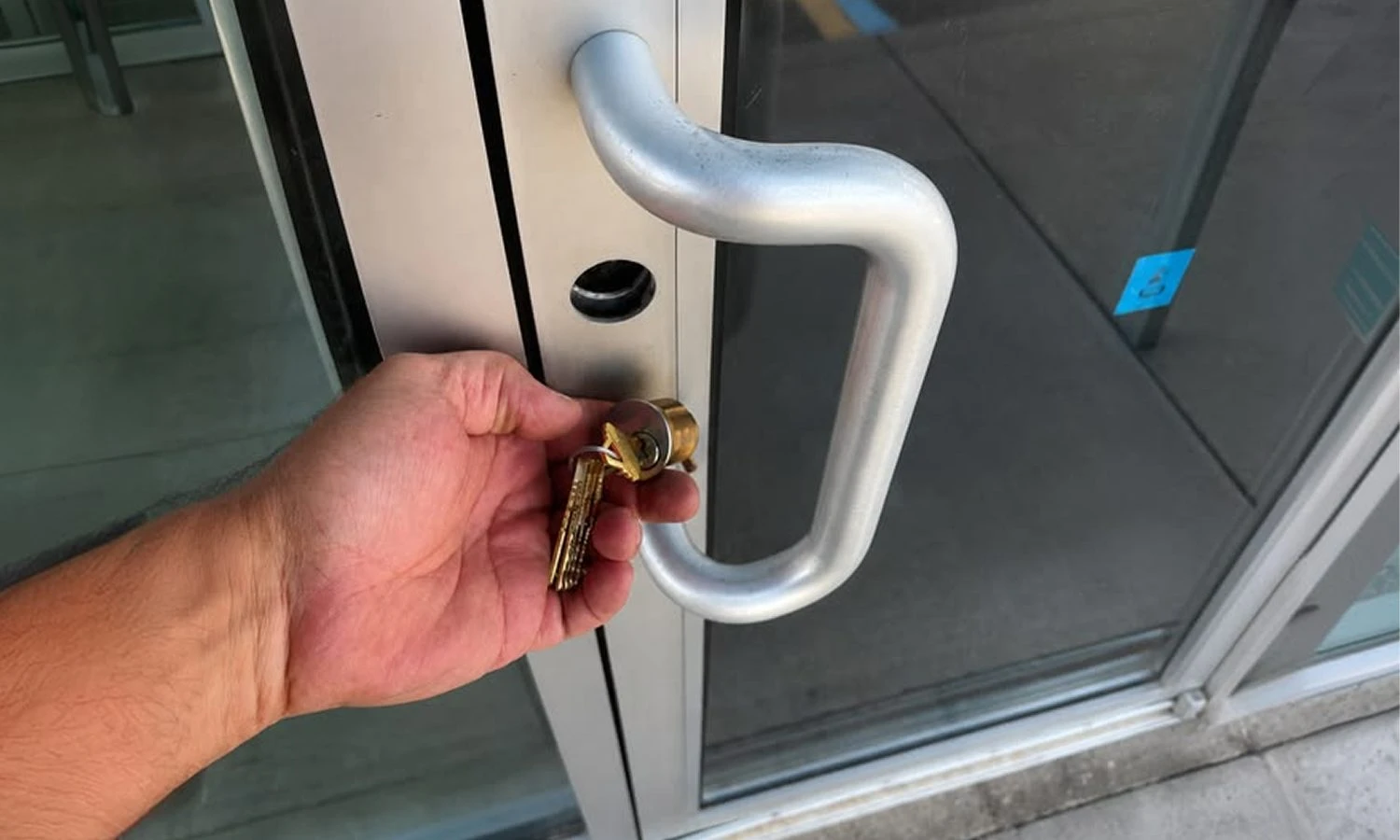 24/7 Emergency Response After-hours lock failure or break-in: we secure the entry and stabilize the situation.
-
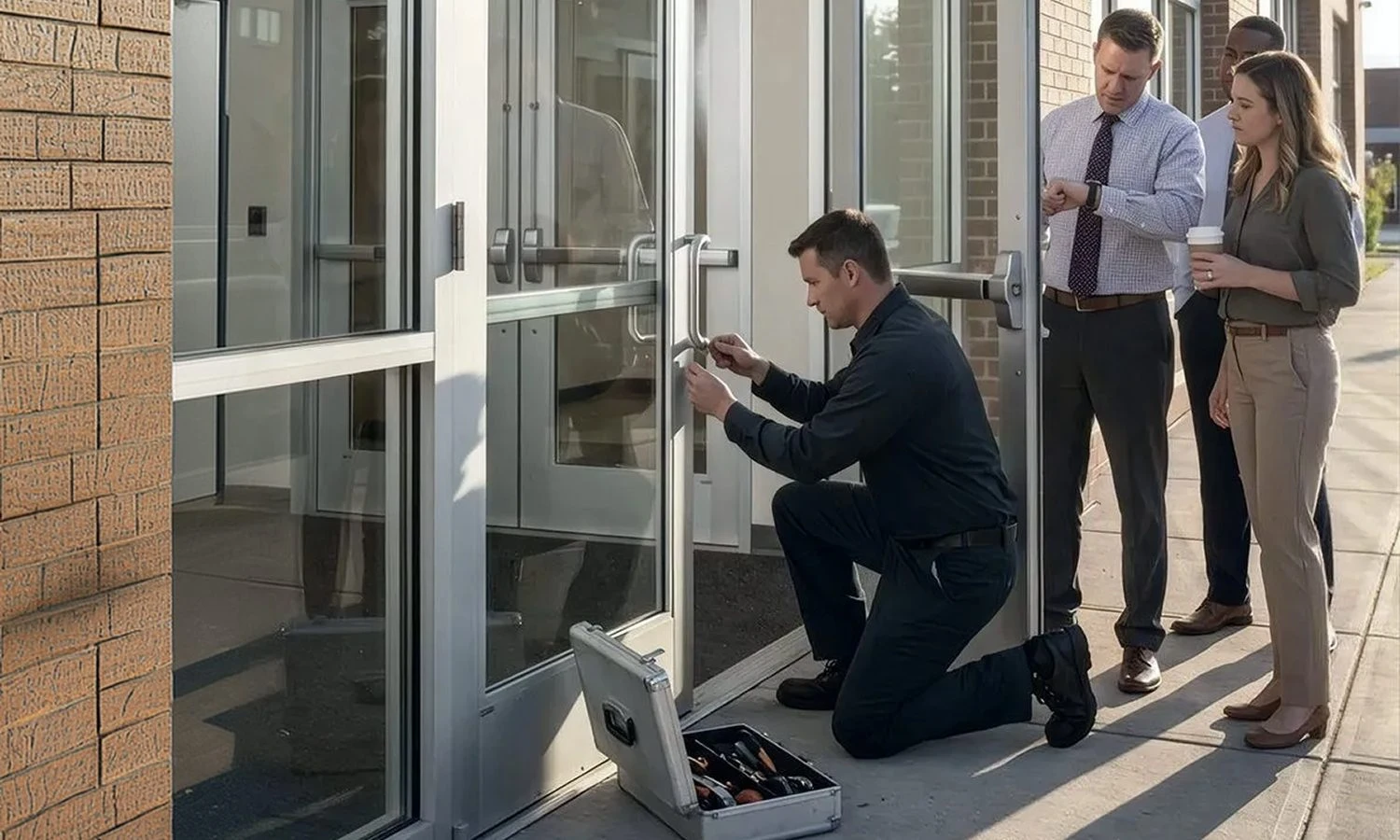 Commercial Lockout Access restored quickly while minimizing damage to lock and hardware.
-
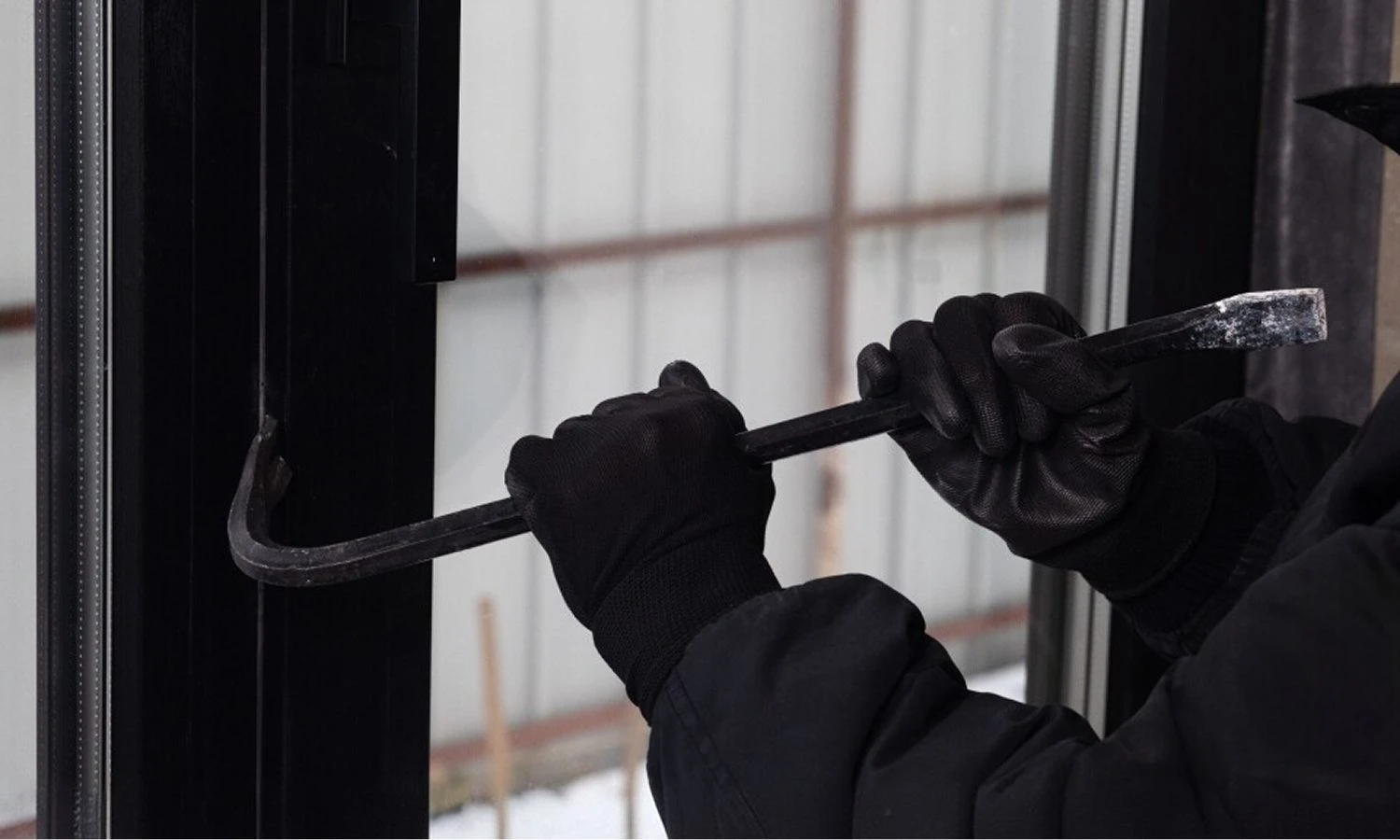 Break-In Response & Repairs Entry point secured, locks and doors repaired, operations back to normal.
-
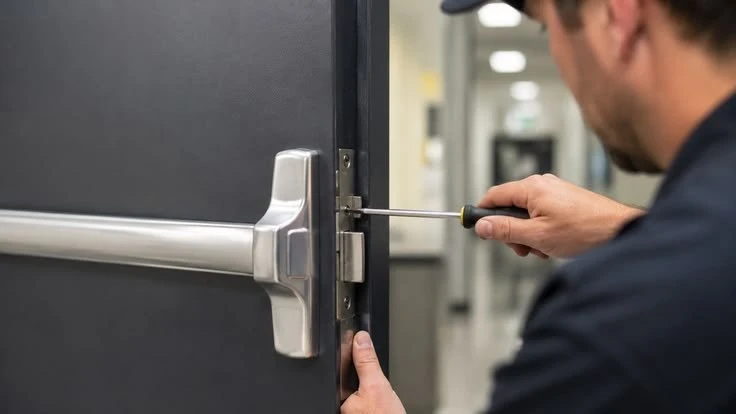 Preventive Maintenance & Door Tune-Ups Scheduled service so high-traffic doors stay aligned, close properly and pass inspections.
-
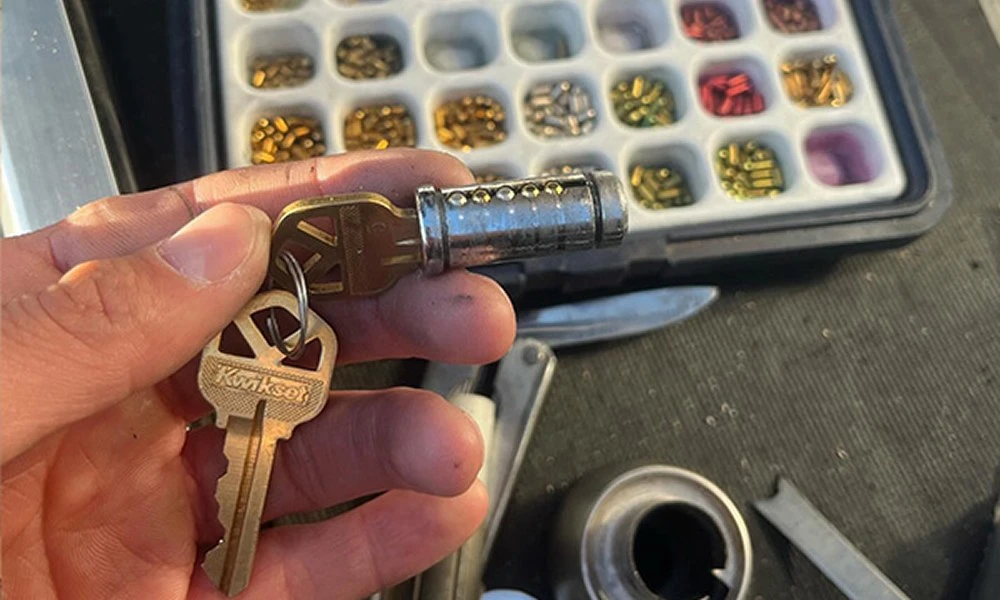 Scheduled Service for Property Managers Routine rekeying, hardware checks and lock adjustments on a set schedule.
-
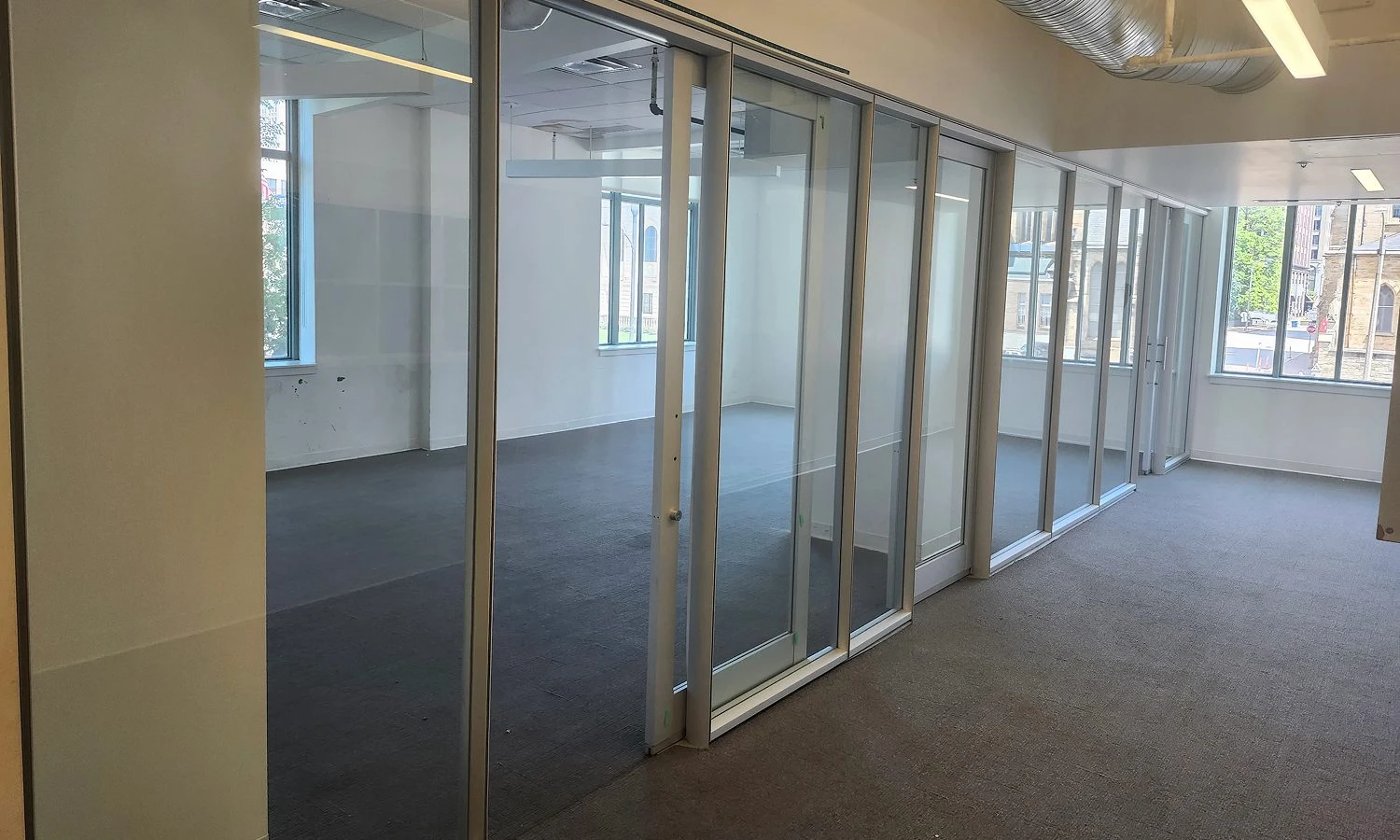 Multi-Tenant Property Service Rekeying between tenants, master key planning, lock and hardware repairs, entry system support.
-
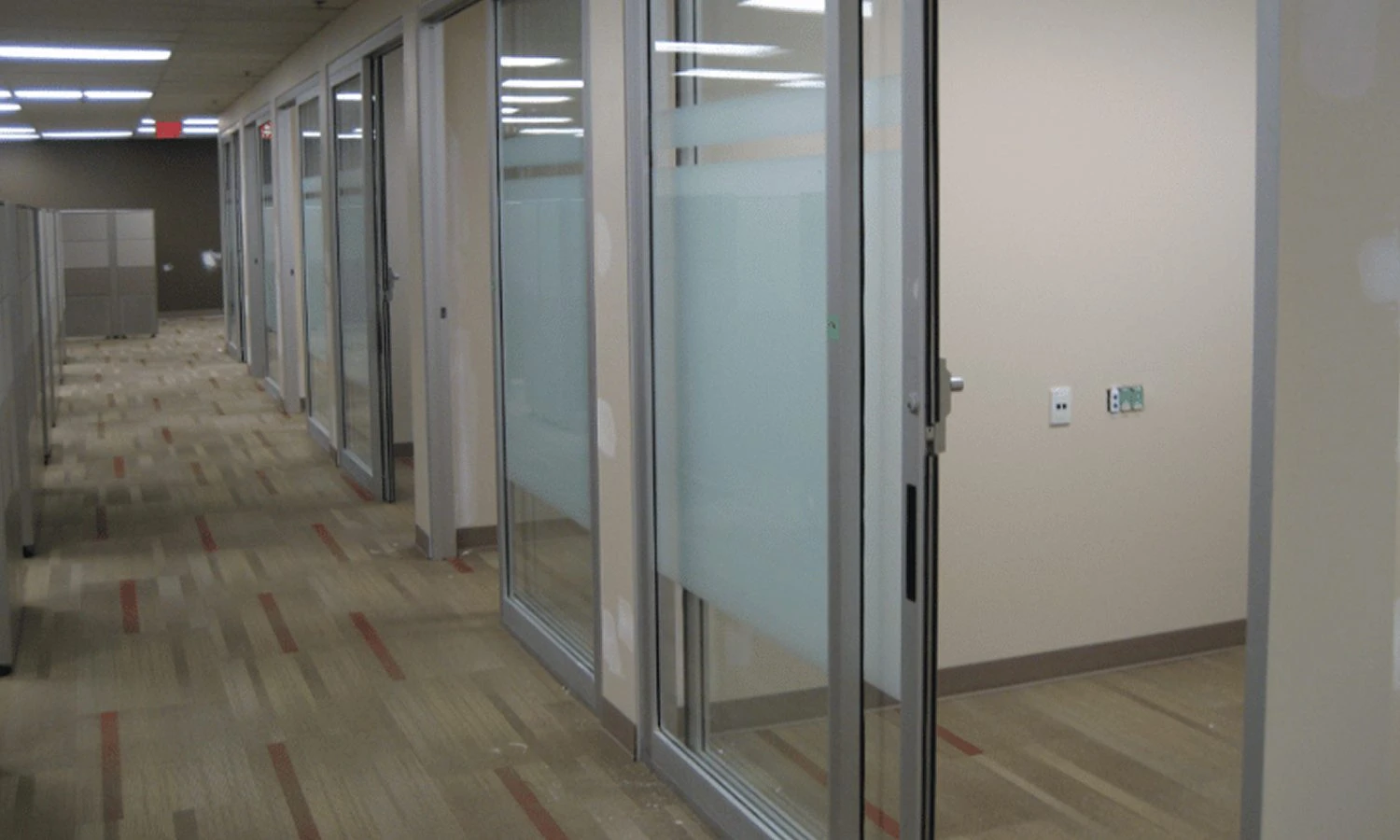 On-Site Security Consultation We spot weak points in locks, doors and entry systems and recommend practical improvements.
-
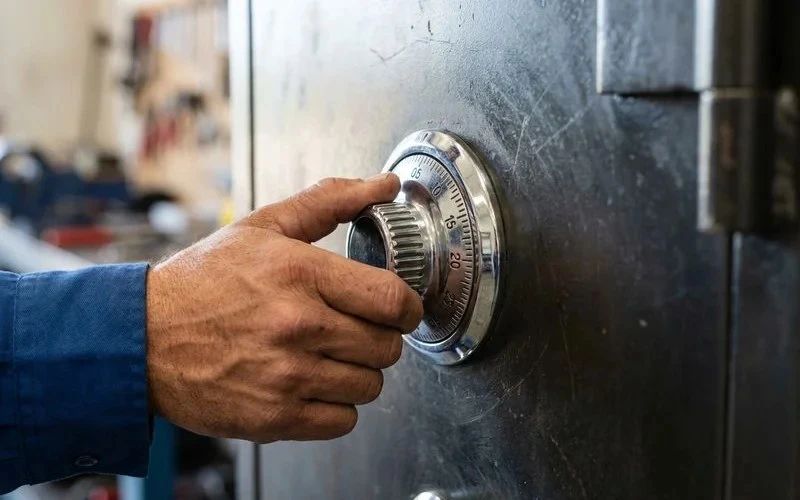 Commercial Safes Safe lockouts, combination changes and safe lock repair.
FAQ
Emergency & Maintenance, before you pick one.
Don’t see yours? Call (857) 327-1767
Is this an emergency locksmith call, or can it wait until morning?
The test is whether the lock still secures the building. A lock that will not lock, a bolt that will not throw, a latch that misses the strike on a normal swing: that is tonight, because nobody can leave the building in that state. A lock that drags, binds or needs a shoulder is annoying rather than open, and it keeps until a scheduled visit, although it is telling you where it is heading. The other kind of emergency is access rather than security: a lock you cannot get past and a job that cannot wait for Tuesday. We answer the phone at any hour, Monday to Sunday, so which of those you have is yours to decide rather than the clock’s.
Who has to authorize locksmith work at two in the morning?
Two separate things get settled on that call. The first is the right to be there, which we ask for on a lockout or a safe before the lock is touched: a lease or a deed, photo identification that matches the business or the tenancy, or the property manager or owner reached on the phone and confirming that you should be let in. That is normal practice for a locksmith on any call of that kind, and having one of them ready is the difference between a visit that opens the lock and one that does not. The second is the scope and the price, which somebody on your side agrees to before work starts. After hours that is usually whoever locks up, with an owner or manager reached by phone where the work goes past making the lock safe, so the useful thing to settle in advance is who that person is and how we reach them at night.
What happens between the call and the permanent lock repair?
The entry is made as secure as the lock allows, and the permanent repair follows once the part for it is in hand. What splits a job into two visits is a part rather than a service: common commercial lock hardware is generally available in the trade, while narrow-stile, high-security and safe lock parts are ordered for the opening they have to fit. One case has no temporary version at all, because an exit lock on an exit route has to open from the inside whatever has failed, so that one is a latching problem rather than an exit to secure shut. Glass is a separate trade, so a smashed panel is a glazier’s work and the lock, the frame and the hardware are ours. Which half of the job is on the table gets said before anything starts.
After a break-in, what gets written down, and who gets it?
What was found and what was done: the damage to the lock and the opening, the parts replaced, the work carried out. That is usually what an insurer asks for, and it goes to you rather than to them, because the claim itself stays between you and your insurer. The same record earns its keep when nothing has been forced. On a property somebody else manages it is what the next change gets worked from, down to which key opens which lock, instead of being reconstructed from a drawer of unlabeled keys a year later. It stays with the building.
We call when a lock breaks. What changes if the locks get looked at on a cadence?
Which kind of failure you end up paying for. Most locks that fail at closing time have been failing slowly for months: a strike that loosened a turn at a time, a closer that stopped pulling the leaf the last inch, a cylinder that needed a jiggle on cold mornings. A locksmith looking at a lock before it breaks catches that while it is still an adjustment. Most properties look at their locks once or twice a year, and more often on the openings that take the traffic, which is trade guidance rather than something with a name or a price attached to it. In practice the lock work that was always going to happen, the rekeying a turnover requires, is the natural anchor for a visit, and the rest of the property gets looked at while somebody is already on site. None of this replaces the emergency call. It makes it rarer.
What can one locksmith visit cover across several buildings?
More than people expect, because getting to the lock is most of the work in a small job. A turnover rekey in one building, a closer that has stopped latching in the next and a safe that has become hard to close are three different jobs and one route, and we work 24/7 across Boston and the surrounding 30-mile area, so that visit can run before opening or overnight instead of through a trading day. What breaks a visit up is a part that has to be ordered for a particular lock, and the locks that can be finished are finished while that one waits. The thing worth settling first is not the route but the keying: locks brought into one plan as they are worked on converge on it, while locks keyed one at a time usually have to be done over to join it later.
How is the price settled when nobody has seen the lock yet?
By looking at it, which is why we would rather do that than name a figure blind. Scope is what decides it: what has actually failed, whether a cylinder can be reused or has to change, how many locks or safes are involved, and whether a part has to be ordered in, none of which is reliably knowable over the phone. So the sequence is the same whichever of these locksmith services the call turns out to be. The lock is assessed, the scope and the price are agreed with you, and then work starts, with nothing ordered that the building does not need and no hidden fees. Where the sensible plan is secure now and repair afterward, you see what each half involves before we begin.
Emergency
Break-in, failed lock, or locked out?
When your property’s security is compromised, our emergency locksmiths respond immediately to repair locks, replace compromised cylinders, and restore reliable operation.
- Commercial Lockouts
- Break-In Lock Repairs
- Emergency Cylinder Replacements
- 24/7 After-Hours Response
Request a quote
Request a quote
Our client services team is standing by to assist with locksmith services, lock changes, high-security hardware, master key systems, lock repairs, rekeying, and emergency security dispatch!
- Hours
- Monday – Sunday: 24/7 Service
- Service area
- Boston and surrounding 30-mile radius
Fully insured by Hiscox
- Google rating
- Verified Screened professionals
- Hiscox Fully insured
- Transparent pricing No hidden fees